 Groupe Rongsheng

In order to achieve the expected effect of mullite castables, in addition to reasonable design and good quality of the castables themselves, construction quality is also an important factor. Donc, when making mullite refractory castables, it is necessary to follow the construction requirements of castables strictly.
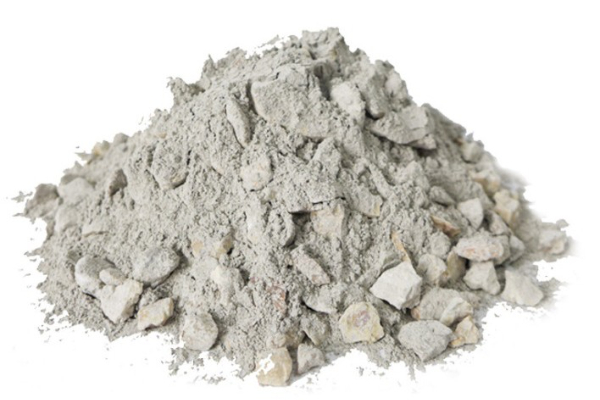
Mullite refractory castable construction steps
Avant le chantier, operators should master the key points and quality requirements of each process. Après avoir ajouté les matériaux au mélangeur, mélanger à sec et remuer pendant 1 minute, puis ajoutez de l'eau. Too dry or too thin materials will affect the quality. It is fine if the materials can be kneaded into a ball and slurried. Il est strictement interdit d'ajouter temporairement de l'eau lors du versement hors du réservoir.. Une fois la quantité d'eau déterminée, il ne doit pas être modifié facilement pour garantir que la densité de chaque mélange est cohérente. Le temps de mélange recommandé est 5 minutes. It is not good to mix too long or too short. Le béton mélangé doit être coulé immédiatement, et le temps de stationnement ne doit pas dépasser 20 minutes. Le béton doit être posé uniformément sur le chantier de construction, and the formwork, plaque d'expansion, anchor brick, and other facilities should not be dislocated due to excessive force.
En général, the material is vibrated with a vibrating rod after about 300mm of laying, and each part should be re-slurried. When pulling out the vibrating rod, it should be pulled out slowly to avoid leaving holes. If a part without vibration is found, il devrait être déterré et revibré. Après avoir versé, la surface du corps coulé n'a pas besoin d'être lissée. Guérison naturelle pour 2 à 3 jours. Pendant la période de durcissement, it is strictly forbidden to step on or touch it. Quand le castable se solidifie, the exhaust holes should be pierced in time to help remove water vapor. Demolding can be carried out only after confirming that it has sufficient strength.
Furnace lining baking
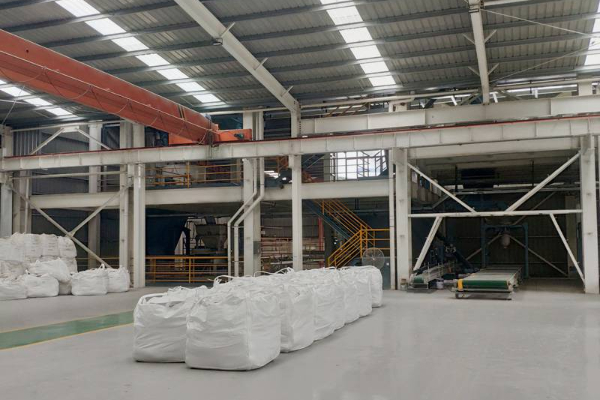
The quality of furnace lining pouring on site is certainly important, but the quality of furnace lining baking is directly related to the success or failure of castable application. The castable contains a large amount of free water and crystal water, which need to be fully removed through the furnace baking, which is an extremely important link for the longevity of the furnace lining. Since the volume and pressure increase sharply when the water turns into water vapor, if the baking temperature rises too fast, it will cause the furnace lining to crack, peel off or explode.
High-strength and high-aluminum mullite castables are dense and high-strength types with very low porosity, et il n'est pas facile d'éliminer l'eau en douceur. Surtout lors de l'étape d'élimination d'une grande quantité d'eau libre dans la plage de température de 100-300 ℃, il est facile de provoquer une pression de vapeur excessive et de provoquer un pelage du revêtement ou des accidents d'explosion, so special attention should be paid and sufficient time should be given for removal. As the temperature continues to rise, free water and crystal water are continuously removed. Quand il atteint 500 ℃, la teneur en eau du béton n'est que d'environ 10% of the total water.
Donc, the temperature of the castable should be slowly raised before 600 ℃, and there should be enough insulation time. After 1000℃, la mullite commence à se former en grande quantité. After the primary crystal formation of mullite is basically completed at 1300℃, the mullite grains continue to grow, making the castable denser, increasing the bonding force, and increasing the strength. Based on the experience of the previous furnace baking, we assigned four work shifts to bake the furnace, record the temperature changes and fuel consumption of the heating section, soaking section, and preheating section every hour, and successfully completed the furnace baking task.
WeChat
Scannez le QR Code avec wechat