 Grupul Rongsheng

Materialele refractare de batere se referă în general la masa de batere uscată, care include argila, alumină ridicată, mulit, corindon, siliciu, magneziu, Carbură de siliciu, corindon moale, etc.. Este un material în vrac format dintr-o varietate de aditivi ultrafine pentru pulbere, ciment topit, sau rășină compozită ca liant. Diferitele metode de lipire sunt sticla cu apă, acid fosforic, fosfat, sulfat de aluminiu, saramură, ciment cu conținut ridicat de alumină, lut, și alți lianți. Este folosit pentru a umple golul dintre echipamentul de răcire a cuptorului și zidărie sau ca umplutură pentru stratul de nivelare a zidăriei. The masa de berbec are stabilitate chimică bună, este rezistent la eroziune, purta, peeling, și șoc termic, și este utilizat pe scară largă în metalurgie, materiale de constructii, topirea metalelor neferoase, chimicale, utilaje, și alte industrii manufacturiere.
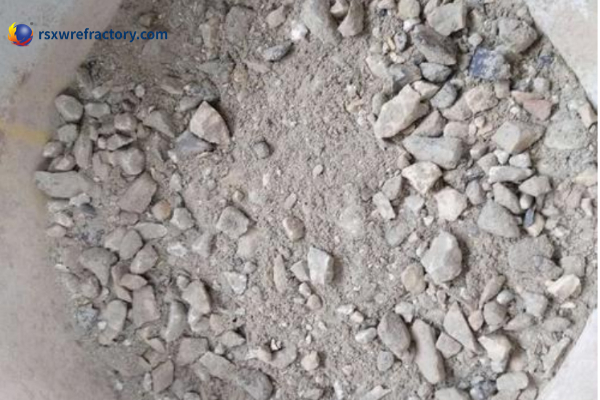
Acid, neutru, și masele de batere alcaline sunt utilizate pe scară largă în cuptoarele de frecvență medie fără miez și cuptoarele cu inducție cu miez. Ca mase de batere a cuptorului cu frecvență medie, sunt folosite pentru a topi fonta cenușie, fontă ductilă, fontă calcinată, fontă vermiculară și aliaje de fontă, topiți oțel carbon, oțel aliat, oțel cu conținut ridicat de mangan, oțel pentru scule, oțel rezistent la căldură, oţel inoxidabil, topiți aluminiul și aliajele acestuia, topiți cuprul, alamă, nichel-argint, bronz și alte aliaje de cupru și alte oțeluri speciale.
Masa de berbec de carbon
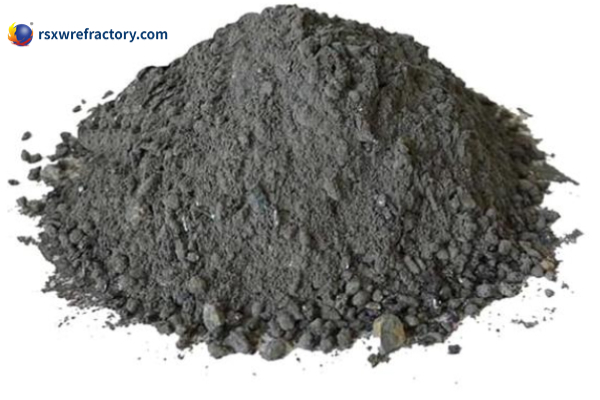
În funcție de diferite tipuri de furnal și diferite cerințe de proiectare a materialelor, masa de berbec de carbon este utilizată în principal pentru golurile dintre cărămizile de carbon din partea inferioară a furnalului și placa de etanșare din partea de jos, între cărămizile de carbon de la vatră și peretele de răcire, precum și nivelarea deasupra liniei centrale a conductei de răcire cu apă din partea inferioară a cuptorului și umplerea peretelui de răcire. Toate piesele necesită ca masa de ciocnire de carbon după lovire să aibă o anumită rezistență și densitate, umplerea fiecărui colț și a golului foarte mic pentru a îndeplini cerințele de lipsă de scurgere a fierului topit și a gazului de cărbune, iar conductivitatea termică a masei de ardere a carbonului ar trebui să fie practic în concordanță cu performanța cărămizilor fierbinți de carbon și a peretelui de răcire al furnalului., pentru a nu afecta durata de viață a furnalului, menţinând astfel producţia normală a furnalului.
În prezent, problema obișnuită întâlnită în utilizarea masei de zgomot de carbon este că conductivitatea termică a masei generale de zgomot de carbon este scăzută, ceea ce nu este propice pentru răcirea rapidă a corpului furnalului, afectând astfel durata de viață. Prin urmare, cercetarea și aplicarea actualizată a masei de batere a carbonului cu coeficient termic ridicat are perspective mari de piață. Fie că se adaugă aditivi la materialul de batere cu carbon pentru a modifica proprietățile materialului prin reacții in situ la temperaturi ridicate, sau modificarea structurii locale de utilizare a materialelor din perspectiva designului, stratul de material de batere de carbon poate atinge o conductivitate termică care se potrivește cu cărămizile de carbon și pereții de răcire atunci când temperatura de lucru crește, astfel încât să se asigure o conducere normală a căldurii fără a deteriora structura generală a construcției, realizându-se astfel cerința de creștere a duratei de viață a furnalului.
Masa de batere de silice
Material de batere silice, materie primă principală, este silice. silice este denumirea generală a cuarțului filon, cuarțit, și gresie de cuarț. Este folosit în principal pentru cărămizile refractare acide în industria metalurgică. Siliciul pur poate fi folosit pentru a face sticlă de cuarț sau pentru a extrage siliciu monocristal. Este folosit în industria chimică pentru a prepara compuși de siliciu și silicați și poate fi folosit și ca umplutură pentru turnurile de acid sulfuric. Este folosit in industria materialelor de constructii pentru sticla, ceramică, ciment silicat, etc.. Proprietățile aspectului sunt în principal forma, sectiune transversala, culoare, luciu, incluziuni, etc.. de silice. După aparență, se poate determina preliminar dacă silicea este silice cristalină sau silice cimentată, fie că este cuarț venos, etc.. Aspectul siliciului cristalin este în general alb lăptos, alb cenușiu, galben deschis, si maro-roscat. Are un luciu strălucitor, o secțiune transversală netedă și continuă, și margini și colțuri ascuțite, și are duritate și rezistență mare. Cuarțul venos este dens și blocat, alb pur, translucid, și are un luciu gras. Secțiunea transversală este în formă de coajă, iar particulele de cristal de cuarț au în mare parte mai mult de 2 mm și pot fi văzute cu ochiul liber. Aspectul silicei cimentate este alb, alb cenușiu, galben-gri, negru, roşu, etc.. Secțiunea transversală este densă și în formă de coajă, fără structură granulară evidentă. Marginile ascuțite ale secțiunii transversale nu sunt evidente, și este aproape plat și nu are luciu. Siliciul bun ar trebui să fie dens și blocat, uneori cu secţiuni transversale în formă de cochilie sau solzoase, fără structură stratificată evidentă, fără incluziuni între straturi, și fără coajă de calcar. Culoarea sa depinde de impurități. De obicei, compușii de fier fac siliciul brun-roșcat, în timp ce impuritățile organice fac gri siliciu, negru, etc..
Masa de batere a corindonului
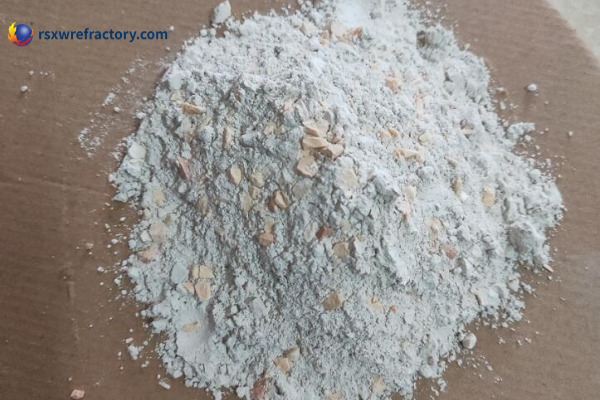
Materialul de batere a corindonului este un material în vrac din corindon, Carbură de siliciu, grafit, și antracitul calcinat electric ca materie primă, amestecat cu o varietate de aditivi ultrafin de pulbere, și ciment topit sau rășină compozită ca liant. Este folosit pentru a umple golul dintre echipamentul de răcire a cuptorului și zidărie sau ca umplutură pentru stratul de nivelare a zidăriei.
Masa de batere a magneziului
Masa de batere a magneziului este un material în vrac făcut din magnezie topită ca materie primă, amestecat cu o varietate de aditivi ultrafin de pulbere, și ciment topit sau rășină compozită ca liant. Este folosit pentru a umple golul dintre echipamentul de răcire a cuptorului și zidărie sau ca umplutură pentru stratul de nivelare a zidăriei.
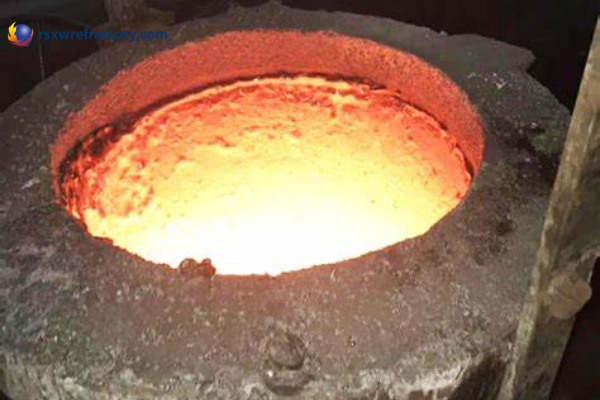
Masa de batere a cuptorului cu frecvență medie
Cuptorul cu inducție de frecvență medie este format dintr-o bobină de inducție realizată dintr-un tub de cupru și înfășurată în jurul exteriorului cuptorului. Sarcina metalică este plasată în cuptor. Când curentul alternativ trece prin bobina de inducție, în bobină se generează un flux magnetic alternant. Prin sarcina metalică închisă, un curent de inducție este generat la o anumită adâncime pe suprafața sarcinii, determinând încărcarea și topirea încărcăturii. Căptușeala cuptorului este construită din materiale refractare, care necesită o bună rezistență la coroziune, rezistenta la exfoliere, fara fisuri, și durată lungă de viață. Materialul folosit pentru cuptorul cu frecvență medie este materialul de batere a cuptorului cu frecvență medie, și principalii săi indicatori de performanță.
WeChat
Scanați codul QR cu wechat