 กลุ่มหรงเฉิง

What kind of refractory material should be used in boilers? Should we choose boiler refractory castables or refractory bricks? What is the difference between refractory castables and refractory bricks for boilers?
Boiler introduction
หม้อไอน้ำเป็นอุปกรณ์ระบายความร้อนทั่วไปที่ใช้ในอุตสาหกรรมหลายประเภท เช่น โลหะวิทยา, ไฟฟ้า, และวัสดุก่อสร้างเพื่อเป็นแหล่งความร้อน. อุตสาหกรรมต่างๆ เลือกใช้หม้อไอน้ำประเภทต่างๆ. ไม่ว่าจะเป็นหม้อต้มชนิดใดก็ตาม, จำเป็นต้องเผาวัสดุเพื่อให้เป็นแหล่งความร้อนสำหรับการรีไซเคิล. เยื่อบุหม้อไอน้ำจำเป็นต้องมีวัสดุทนไฟที่ทนต่อการสึกหรอ. ไม่ว่าจะเป็นอิฐทนไฟหรืออิฐทนไฟหล่อได้, ต้องเป็นไปตามข้อกำหนดการใช้งานของซับในหม้อไอน้ำ.
วัสดุทนไฟของหม้อไอน้ำ
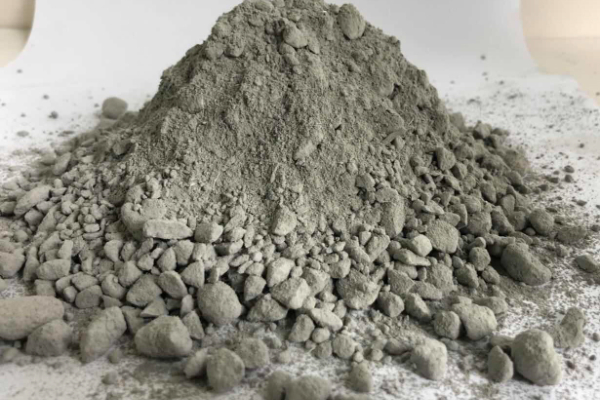
Refractory castable is a kind of amorphous refractory material, which is a granular material formed by mixing refractory raw materials such as refractory aggregate and refractory powder, adding binder admixtures, ฯลฯ, and then pouring into the installed mold after kneading. นำไปใช้งานหลังการบ่ม, การอบ, demoulding, และกระบวนการอื่นๆ. Refractory castable can produce suitable casting materials according to the application part of the boiler. By selecting high-quality refractory raw materials, refractory castables of various materials can be processed, เช่น high-aluminum castable, mullite castable, corundum refractory castable, ฯลฯ. Wear-resistant refractory castables for boilers are generally high-aluminum wear-resistant castables and corundum wear-resistant castables. The appropriate refractory castable can be selected according to the requirements of the application part to cast the lining.
อิฐทนไฟหม้อต้ม
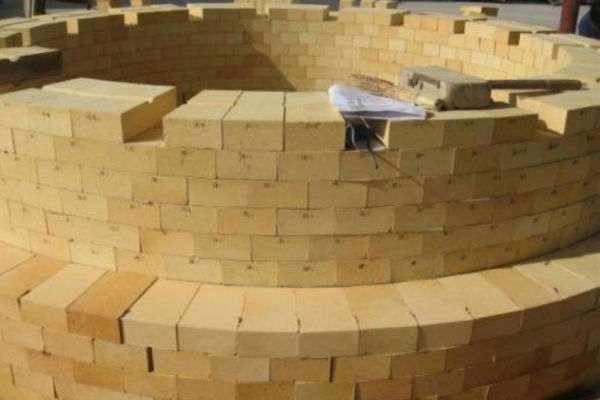
อิฐทนไฟ are the main refractory materials used in industrial kilns. อิฐทนไฟสามารถทำได้โดยการเลือกมวลรวมทนไฟคุณภาพสูงหลายรายการเป็นวัตถุดิบทนไฟหลักตามความต้องการของไซต์การใช้งาน, เพิ่มผง, เครื่องผูก, ฯลฯ, กวน, การกดและการขึ้นรูป, การอบแห้ง, แล้วส่งเข้าเตาเผาที่มีอุณหภูมิสูงเพื่อเผา. อิฐทนไฟสามารถออกแบบได้หลากหลายรูปทรงตามพื้นที่ก่ออิฐ, และใช้โคลนทนไฟเพื่อยึดอิฐทนไฟเข้าด้วยกัน. อิฐทนไฟสามารถสร้างได้ตามความหนาที่ต้องการตามความต้องการ. อิฐทนไฟสำหรับหม้อไอน้ำต้องปฏิบัติตามหลักความต้านทานการสึกหรอด้วย, ความต้านทานการกัดกร่อน, ความต้านทานแรงกระแทกด้วยความร้อน, ฯลฯ. They need to have high temperature performance and resist the long-term scouring and erosion of materials and airflow placed in the boiler.
Advantages of boiler refractory castables and refractory bricks
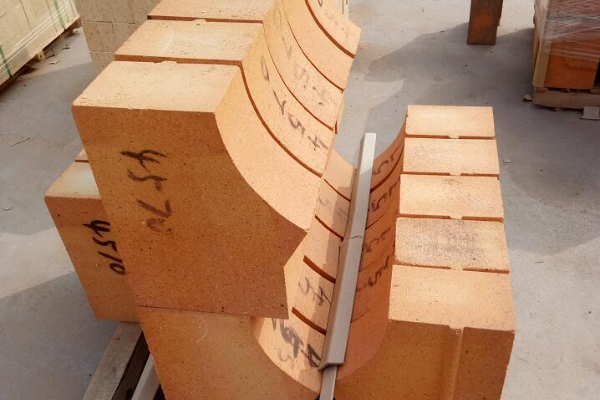
The advantages of boiler refractory castables are short production cycle, easy construction, and can be cast according to the construction site and construction requirements. อย่างไรก็ตาม, กระบวนการก่อสร้างมีความสำคัญมากกว่า, and the quality of construction is closely related to the long-term use of the lining cast by the boiler refractory castables.
The advantages of boiler refractory bricks are convenient masonry, ความสมบูรณ์ที่ดีของเยื่อบุก่ออิฐ, และวัตถุดิบทนไฟจะถูกบูรณาการอย่างสมบูรณ์ในระหว่างกระบวนการเผา. อิฐทนไฟที่ถูกเผาสามารถต้านทานการกัดกร่อนของตะกรันได้ดีกว่า. อย่างไรก็ตาม, the requirements for boiler refractory bricks are high, and the price of refractory bricks is relatively expensive.
วีแชท
สแกนรหัส QR ด้วย wechat